In Australia, a private investigator can legally capture evidence that changes the outcome of court cases, exposes fraud, and resolves disputes worth millions. What they can record, however, is governed by a legal framework that varies by state, by setting, and by the type of recording being made.
What Does Surveillance Actually Involve?
In the context of private investigations, surveillance is the observation of a person or place and the documenting of activity of interest that occurs. In practice, it involves physical observation, capturing evidence (whether through photo, video, or audio recording), and detailed written reporting.
Investigators utilise surveillance in a wide range of circumstances:
- Personal matters — suspected infidelity, family law disputes, welfare checks on vulnerable relatives, etc
- Commercial disputes — fraud, breach of contract, theft of company property or time, etc
- Legal proceedings — gathering evidence for litigation, insurance claims, workers’ compensation, etc
Surveillance is a preferred approach in these situations because observational evidence is difficult to dispute. But the tools used, the circumstances in which they can be deployed, and the admissibility of what is captured are all subject to laws that vary depending on where in Australia you’re located. The following is not legal advice, it is simply our understanding of the framework within which we work. Legal advice should always be sought where necessary.
Generally, public spaces are fair game
Across Australian jurisdictions, a PI observing and recording from a lawful vantage point in a public space is broadly permitted.
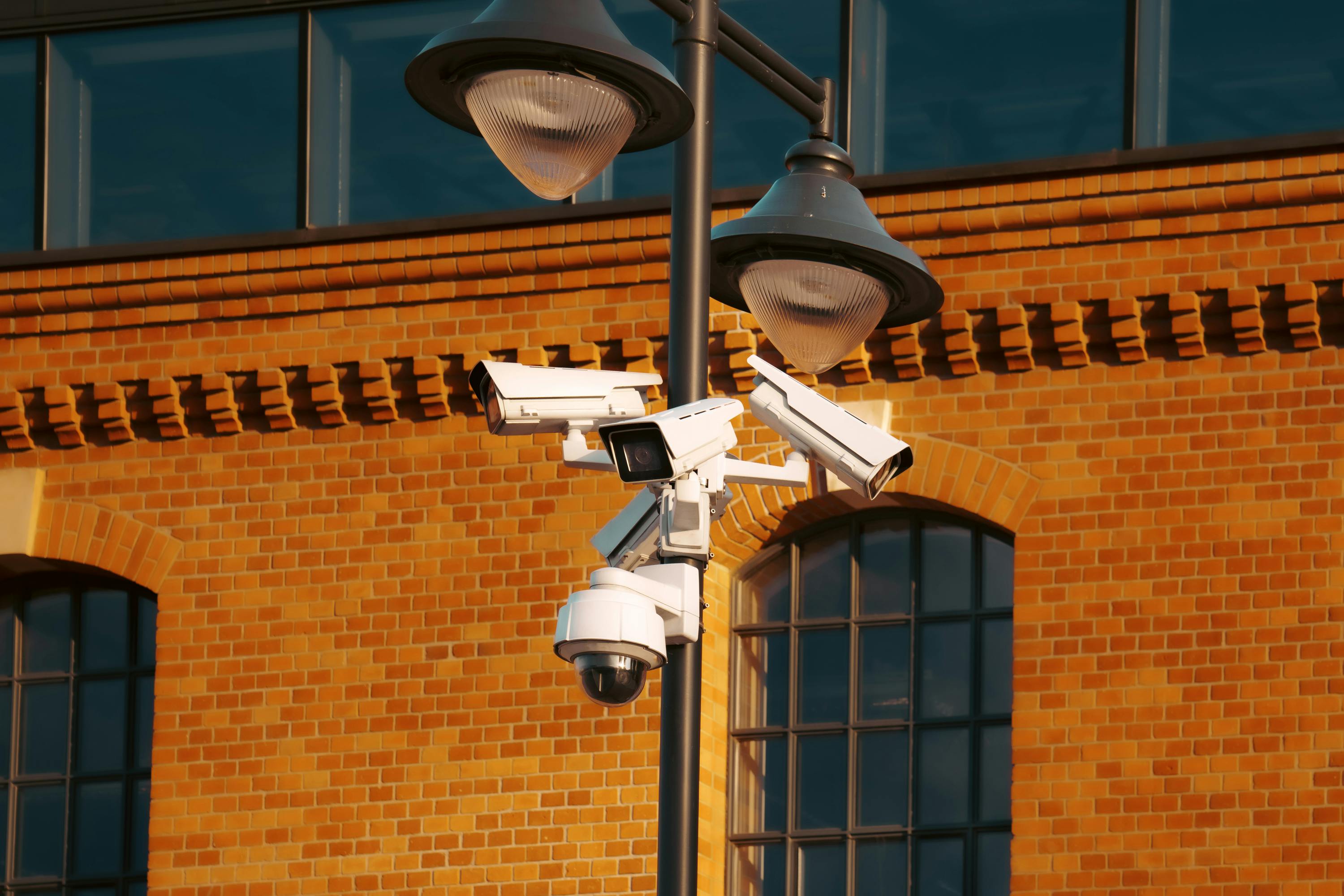
Think about the CCTV cameras operated by businesses and governments in almost every shopping centre, street corner, and public building in the country. The same logic extends to all individuals. Recording activity in publicly accessible areas such as streets or on public transport or in cafes is broadly permissible. This means that a great deal can be documented lawfully in the ordinary course of surveillance.
Private activities and state-by-state differences
New South Wales is governed by the Surveillance Devices Act 2007 (NSW). The court in Waverley Council v Tovir Investments confirmed there was no question of illegality in a private investigator making a video recording covertly inside a private residence, provided no trespass occurs. In NSW, the prohibition on optical surveillance devices is usually triggered by unlawful entry or interference and not simply by the nature of the activity being filmed. So recording something visible from a lawful vantage point, even into a private space, is generally permissible (unless something is being recorded that it is illegal to record).
Victoria takes a stricter approach under the Surveillance Devices Act 1999 (Vic). Under the Act, a “private activity” means an activity carried on in circumstances that may reasonably be taken to indicate that the parties to it desire it to be observed only by themselves, but it does not include an activity carried on outside a building or where participants ought reasonably to expect they might be observed. For an investigator, this means recording someone inside their home through a window for example carries real legal risk in Victoria in a way it may not in NSW.
In Queensland, there are some provisions within the Criminal Code 1988 (Qld) to be aware of. The visual recording of a person without their consent in a private place or while they are engaged in a private act is prohibited, though the definition of “private act” is limited to showering, bathing, using a toilet, engaging in intimate sexual activity, or being in a state of undress.
Laws in other states and territories are generally similar to those in either Victoria or New South Wales, although there are some differences in particular respects about which people should be aware.
Across all of these jurisdictions, the definition of what makes a conversation or activity ‘private’ tends to be context-dependent rather than strictly based on the location of the recording. A conversation held openly in a public space where others can hear it is generally not considered private, which is a distinction that matters considerably in practice. That said, the laws in each state and territory have their own nuances, and this is intended as a very general overview rather than an exhaustive account of each. As stated above, always consult a lawyer if you need legal advice.
A note on the Workplace Surveillance Act
For commercial clients in New South Wales, it’s worth noting the Workplace Surveillance Act 2005 (NSW) restricts the covert recording of employees while they’re at work. But it contains important nuances:
- If an employee is off the clock and suspected of breaching their employment contract — working for a competitor, for instance, — surveillance of that conduct is generally permissible and can be documented on video.
- The Act also provides for a workplace surveillance authority, which allows investigators to obtain a magistrate’s warrant to conduct covert surveillance of an employee in the workplace itself. Lyonswood has successfully obtained and executed such authorities, with evidence admitted in court proceedings.
This is a powerful tool in employment fraud and misconduct investigations, but it requires proper process and experienced handling.
Does lawfully recorded evidence actually hold up in court?
It depends on the circumstances of the matter, but it certainly helps if evidence was gathered properly in the first place.
This is why the legal knowledge of the investigator matters as much as the footage itself. Evidence obtained through unlawful means can be ruled inadmissible, rendering the entire investigation worthless regardless of what it uncovered. Even if it’s taken in the course of a personal matter, an unlawful recording can expose the client and the investigator to legal risk.
Lyonswood operates exclusively within the law. Every investigation is planned with admissibility in mind because footage taken improperly may not be worth taking at all.
The right investigators make all the difference
Properly conducted surveillance can uncover things no one anticipated and hold up to scrutiny. Improperly conducted surveillance can destroy a case before it starts.
With over 40 years of experience and thousands of successful investigations under our belts, Lyonswood understands the do’s and don’ts of surveillance work across Australia. If you’d like to discuss your matter, contact us today for a confidential consultation.
This article is general information only and does not constitute legal advice. Laws vary by jurisdiction and individual circumstances differ. Always seek independent legal advice for your specific situation.