
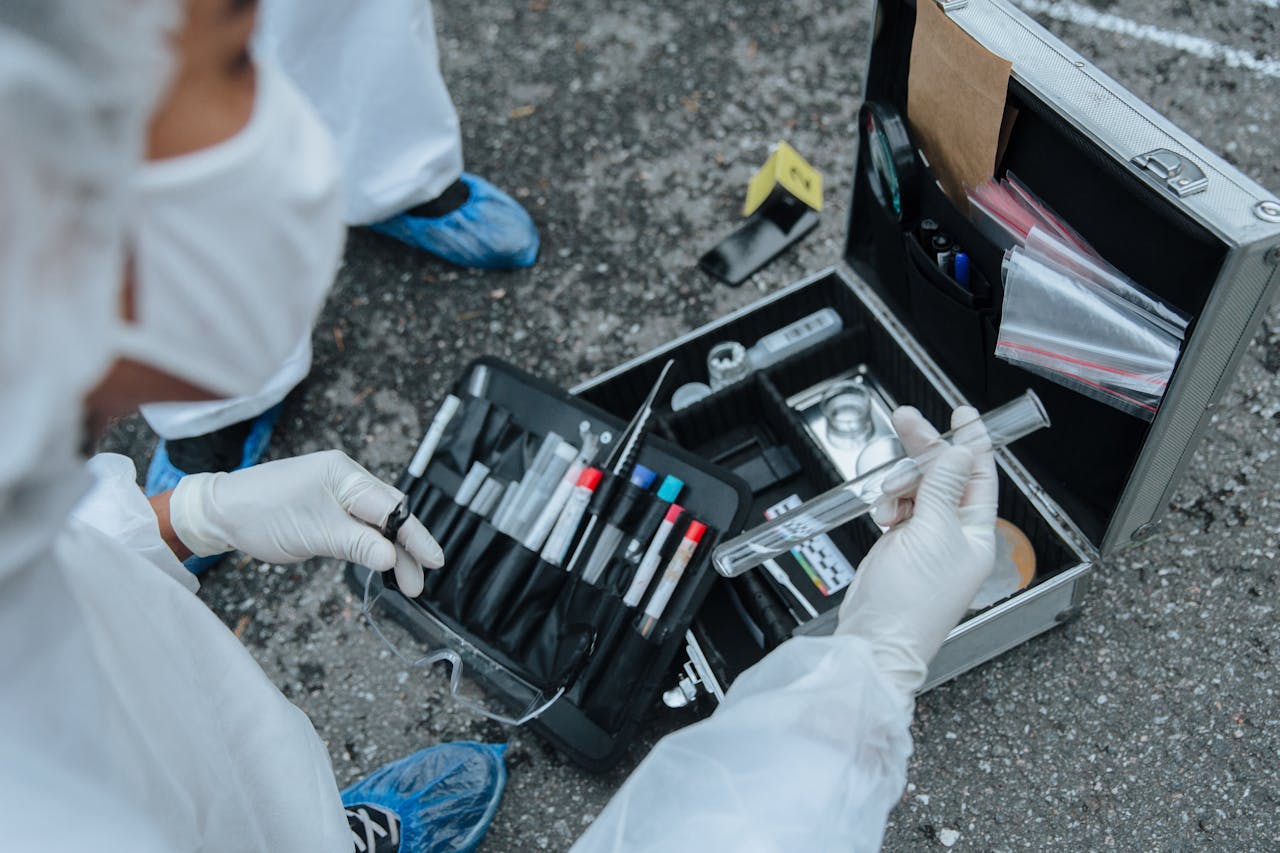
Forensic science has come a long way. What was once limited to basic fingerprinting and rudimentary lab testing has evolved into a sophisticated discipline that can uncover critical evidence from the smallest of traces. Advances in DNA profiling, toxicology, chemical analysis and digital forensics now allow specialists to extract meaningful information from samples that would once have been considered unusable.
Across Sydney and NSW, forensic analysis is playing an increasingly central role in resolving complex matters, extending beyond traditional criminal investigations into civil disputes, workplace issues, personal concerns and more. It can often be the quiet turning point in a case and bring clarity to uncertain situations.
This growing reliance on scientific evidence is reflected in NSW Health’s recent investment in advanced robotic systems for forensic DNA testing. The $4 million cash injection was aimed to support rising case volumes and policing and crime disruption strategies. The state’s Forensic and Analytical Science Service laboratory at Lidcombe is recognised as one of the busiest forensic DNA facilities in Australasia, underscoring the sustained demand for forensic analysis across NSW.
What forensic analysis actually is
At its core, forensic analysis is about testing material evidence and interpreting what it means. That could involve identifying whether a stain is blood, matching a DNA profile to a person, determining whether a powder contains an illicit drug, or assessing whether toxins were present in someone’s system at a specific time.
It sounds straightforward but rarely is in practice. Samples can be degraded, context can be missing and results can be technically correct but misinterpreted. A laboratory finding provides valuable data – it does not necessarily tell the full story. What that data ultimately means depends on how it is collected, tested and analysed.
Not quite as seen on TV
Shows like NCIS have profoundly distorted peoples’ conceptions about what forensic science is and how it actually works. If you grew up on free-to-air TV you’d be forgiven for describing a man in a white coat, clicking away on a holographic screen as someone shouts “Enhance that!”.
Real forensic work is slow and cautious. DNA analysis, for example, often begins with painstaking collection procedures designed to avoid contamination. A single careless touch can compromise a sample, so technicians work in controlled environments and document every step. Extracting DNA from a small or degraded trace can take hours, sometimes days, before amplification and profiling even begin.
Toxicology is equally methodical. Detecting a substance in blood or tissue is only the first step. Scientists must consider concentration levels, how the body metabolises the substance, when it was likely consumed, and whether the amount detected would have caused impairment or harm. Context matters just as much as chemistry.
Chemical testing follows strict protocols as well. Instruments must be calibrated, controls must be run, and findings must be verified (sometimes by a second analyst). These processes take time and speed is always secondary to accuracy.
Why independent forensic review matters
In NSW, most frontline forensic testing in criminal matters is conducted by government laboratories. They perform essential work, but their findings are not beyond challenge. Defence and prosecution teams, civil litigants and private individuals sometimes seek independent review when evidence is disputed or unclear. This can involve re-testing samples or examining how conclusions were drawn. An independent expert might confirm that the original analysis was sound, or they might identify limitations that change how the evidence should be understood.
This is particularly important in cases in which the science carries significant weight. DNA evidence, for example, can appear definitive. Yet its interpretation depends on things like statistical models, contamination controls and assumptions about transfer. Without context, even results that appear definitive can be misinterpreted.
Forensic analysis in personal matters
We regularly speak to clients who are carrying uncertainty about a person or situation. Sometimes it’s a parent trying to understand whether drug use by a family member is occurring. Sometimes it’s a person worried about unexplained contamination in a home or workplace. Sometimes it’s someone who believes they were exposed to something harmful and wants independent verification before taking the next step.
The common thread in these scenarios is uncertainty, which tends to grow if left unchecked. People start filling in the gaps themselves and their assumptions harden into beliefs that can seem illogical to others. In already stressful circumstances, an absence of reliable information can be more damaging than the truth, no matter how difficult that truth is. As such, reducing or eliminating doubt is often the main priority of a private forensic investigation.
The strength of forensic analysis is partly attributed to the discipline around the evidence. If a client brings in an item or sample, the investigator or expert needs to know where it came from, when it was found, who handled it and how it has been stored. These details can be the difference between a result that is meaningful and a result that can be dismissed as contaminated or inconclusive. The professional will usually talk through the situation first and then advise whether testing is likely to answer the question you actually care about, and what samples would be required to do that.
When it comes to interpreting results, “detected” does not automatically mean “significant”, and “not detected” does not always mean “it didn’t happen”. Many substances degrade, wash out, evaporate or transfer in ordinary ways. The same goes for biological traces. You can have a trace present for an innocent reason, or no trace despite a genuine exposure. Factors like timing or how an item was stored can matter as much as the test itself. This is why expert interpretation is a key part of forensic analysis services.
There are also matters involving examination or re-examination of older evidence. Advances in testing sensitivity mean that samples once considered too small or degraded may now yield usable results. That doesn’t promise a dramatic breakthrough but it can change the level of confidence around what happened, and that confidence can matter just as much as the outcome itself for a client in his or her personal matter.
For many private clients, the point of testing is to avoid making a major decision based on guesswork. People are often deciding whether to confront someone, escalate a workplace issue, report a matter, seek medical advice, involve lawyers or simply let something go. Forensic analysis doesn’t make the decision for you, but it can narrow the possibilities and stop a situation from spiralling.
Finding the right expertise
In Sydney, NSW and beyond, independent forensic expertise is now available to individuals, legal professionals and organisations who need independent review or new analysis. Lyonswood works with experienced forensic specialists in areas such as
- DNA analysis
- Toxicology
- Chemical identification.
Timing can be critical in forensic analysis. Contact Lyonswood to discuss your situation in confidence. The sooner advice is obtained, the better the prospects of securing and testing material properly.