Stalking
Stalking entails repeated and unwanted contact, communication, or other conduct that causes (or would reasonably cause) fear, distress, or concern for a person’s safety. In many jurisdictions, stalking is now a criminal offence. Anyone can be a victim of stalking, including private citizens or high-profile individuals.
Stalkers may or may not be known to the affected person. For example, stalkers can be current or former intimate partners, family members, workmates, neighbours, acquaintances, or strangers.
Types of Stalking
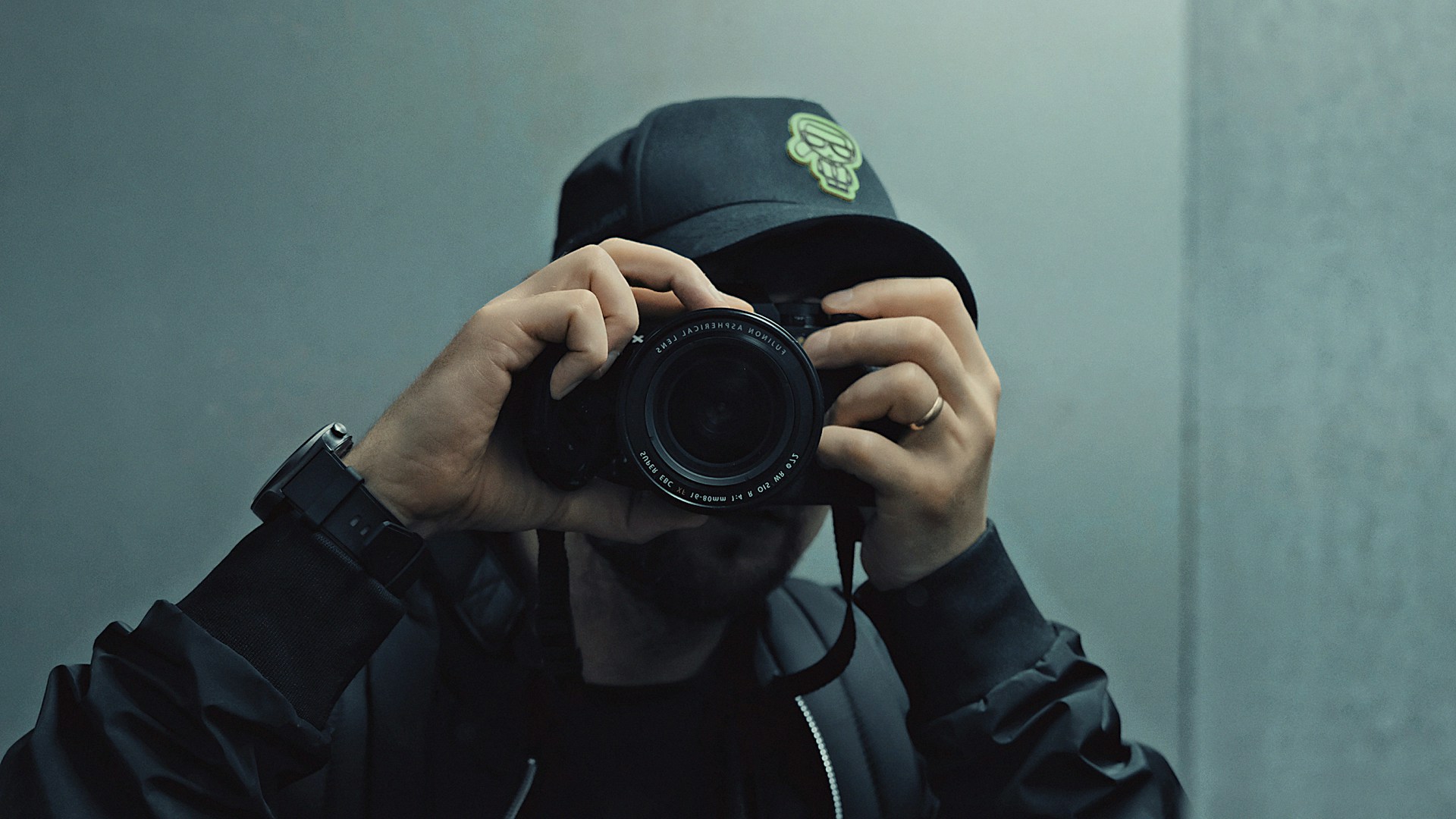
These days, stalking can come in many forms. A culprit may make unwanted contact by loitering near the person’s home, workplace or a social venue in order to watch, follow, or approach a targeted person. A pattern of incidents at home, such as trespassing, break-ins, theft or damage of property, or other unusual occurrences can be indicators of a stalker targeting a person at their home.
Obsessed individuals can also use electronic devices and software to track the movements of a target, such as by fitting a tracking device to a vehicle or by installing covert software applications on mobile phones or devices.
In the digital age, stalkers often engage in unwanted communications through the use of telephone calls, text messages, emails, social media posts, letters or faxes in order to harass, intimidate, or threaten the affected person. Similarly, unwanted gifts, such as flowers or other items, which are often symbolic, may be left at the person’s home to convey that the stalker knows where the victim is and what he or she is doing.
In certain circumstances, stalking can lead to more serious crimes and, in extreme cases, can result in injury or death to the victim and/or the victim’s associates. If you are a victim of some type of harassment, monitoring, unwanted communication, surveillance or stalking, you should therefore never take it lightly. Naturally, if you believe you are being stalked and/or you have evidence of that stalking (and the identity of the perpetrator) then you should consider advising the police. Like in many other areas however, the police do not always have the resources to be able to take effective action, tailored to your circumstances.
Professional Assessment
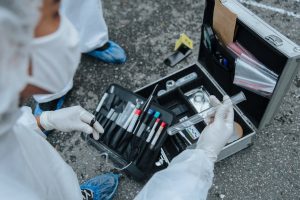
Lyonswood Investigations and Forensic Group has over 40 years of experience assisting individuals with concerns about monitoring and stalking. We can help you to plan a suitable response, take precautionary steps and deploy investigators, security specialists and forensic experts to endeavour to achieve your objectives. At the right time, once evidence is in hand and your security has been considered, our reports can be provided to police and it may enable them to prosecute the perpetrator.
It may be necessary to consider observations of a suspected stalker and/or background checks to determine whether there is a pattern of behaviour on the part of the culprit. A security risk assessment or certain types of security protocols, such as CCTV installations and bug sweeps, may be required at a victims’s residence or workplace. Digital forensic services such as malware examinations may be necessary and it may be optimal to have an expert institute stringent security protocols on your accounts and devices.
Stalking can be a complex crime. It requires specialised training, skills, and experience on the part of service providers to identify, assess, and manage the risks of harm and persistence. In the course of a professional stalking assessment, globally-recognised professional judgment instruments designed to identify and assess behavioural red flags and other risk and protective factors are used to assess the risk. These instruments along with behavioural threat assessment and management concepts constitute recognised best practice for identifying, assessing, and managing the risk or threat of harm posed by a person to a person, group, or place.
Obtaining a professional assessment of the risk of harm posed by a person and a client-focused safety assessment and management plan can be essential to understanding and managing the risk and making decisions that improve client safety
How to Safely Contact Help
If you are concerned your digital devices are not secure, contact a private investigator from a safe phone (a public or work phone or a friend’s phone). Ensure any of your devices are not within earshot.

Lyonswood’s Stalking Expert
Lyonswood’s stalking expert, a former New South Wales Police Force detective, has been trained by the FBI to behaviourally analyse the interpersonal crimes of violent offenders. She is a board-certified Criminal Profiler experienced in profiling violent crimes and assessing threatening behaviour and communications.
In recent years, the expert has specialised in Behavioural Threat Assessment and Management, a globally-recognised best practice technique used to assess the threat posed by a person to a person, group, or place. This technique is underpinned by extensive threat and violence risk research and is used by trained personnel in many law enforcement agencies, security organisations, governments, universities, and corporates around the world.
The expert is also certified to use structured professional judgment instruments that assess Stalking Risk, General Violence Risk, Workplace Violence Risk, Violence Risk Triaging, and Victim Safety Assessment and Planning.
Lyonswood
Often stalkers are, for reasons best known to them, hell-bent on making your life a misery and go about their nefarious activities by attacking your possessions and endeavouring to break you psychologically. They intrude on your personal life to the point that you become consumed with the risk they pose and when they might strike again. They feed their obsession with your misfortune and sometimes don’t stop until they are caught or until their stalking becomes something more serious. When you are being stalked it is very difficult for you to think and act rationally, which is why Lyonswood are a necessary agent to competently manage your situation, help to identify the stalker and minimise the risks – contact Lyonswood now for a cost and obligation free consultation.