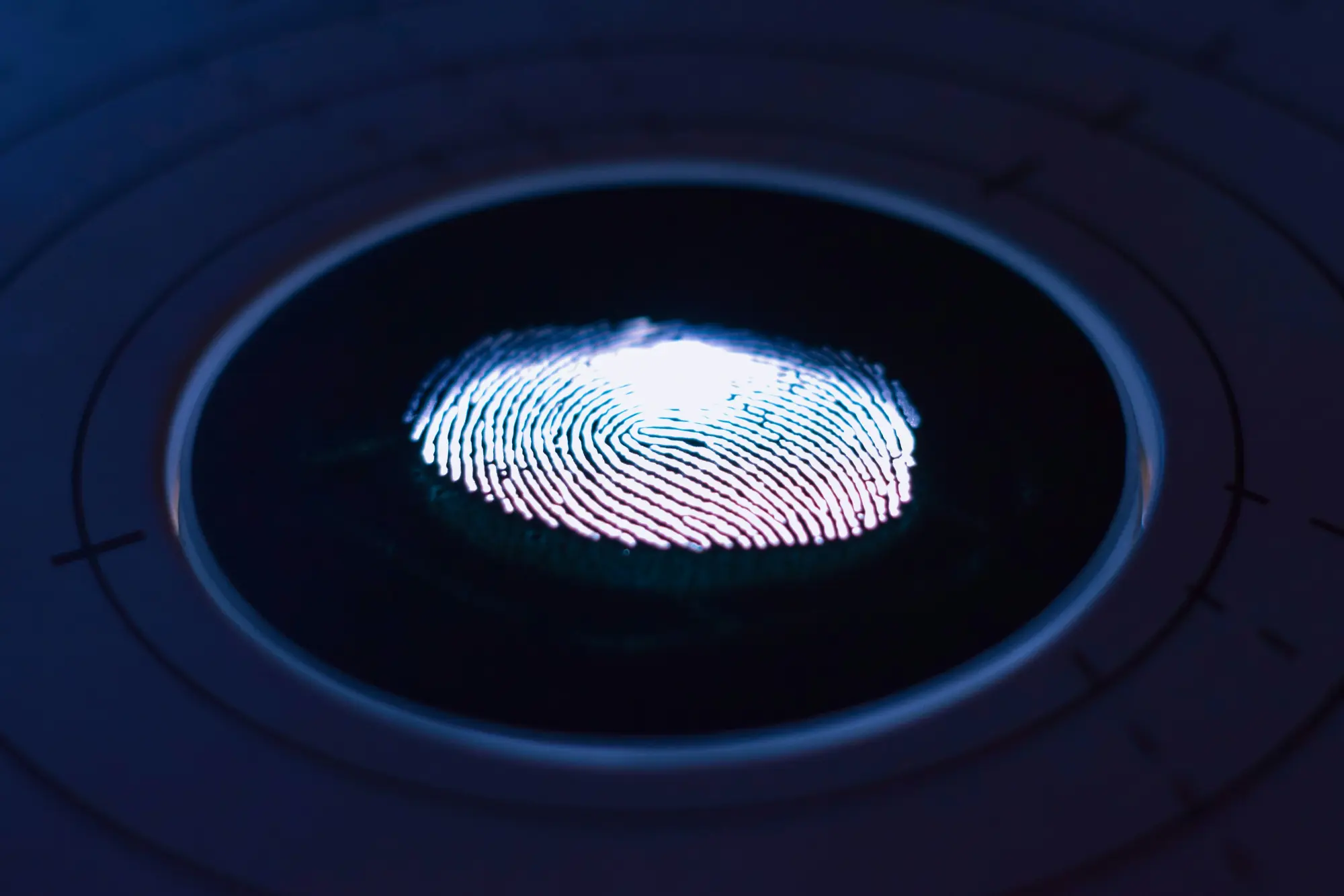
Using a fingerprint to identify an individual
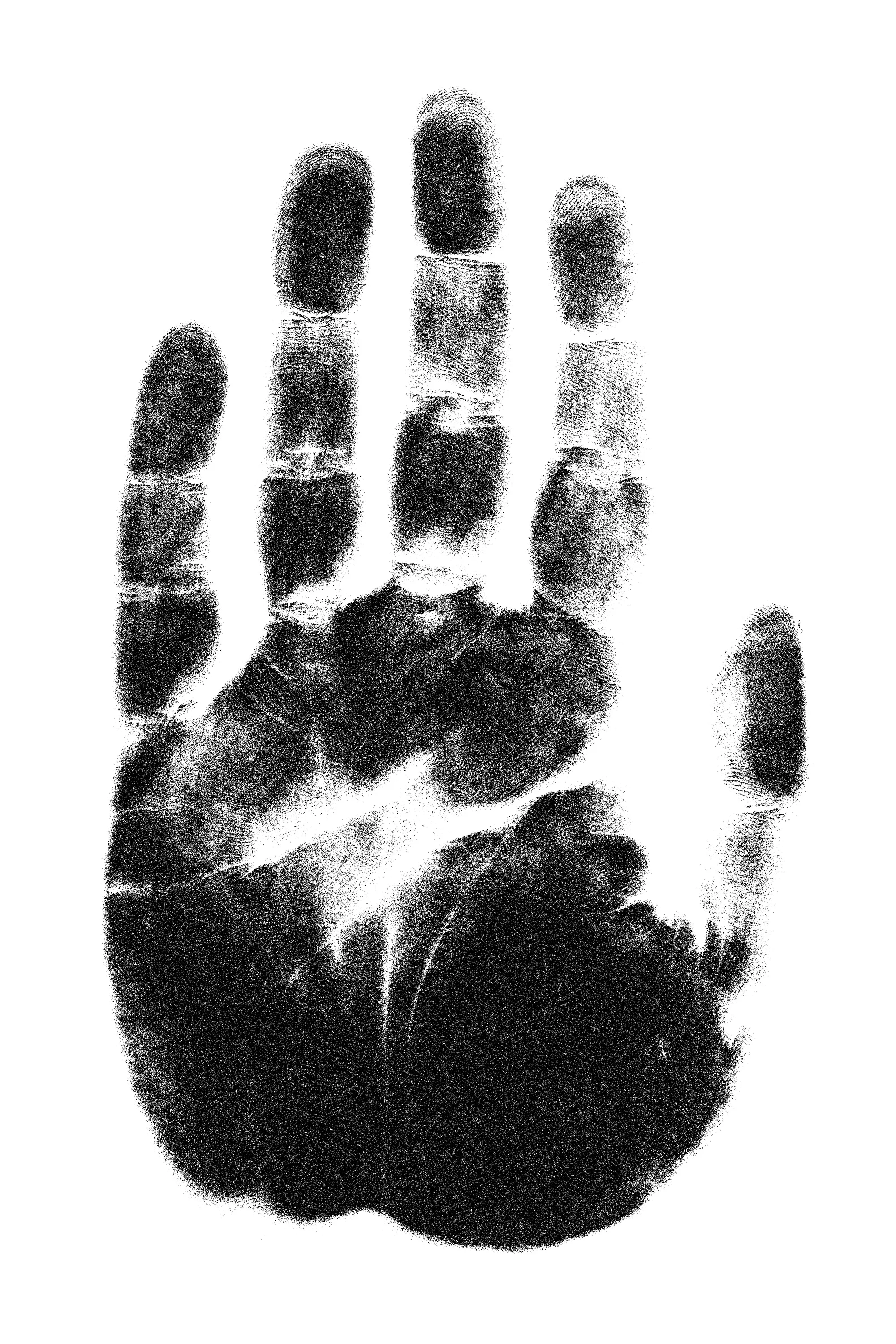
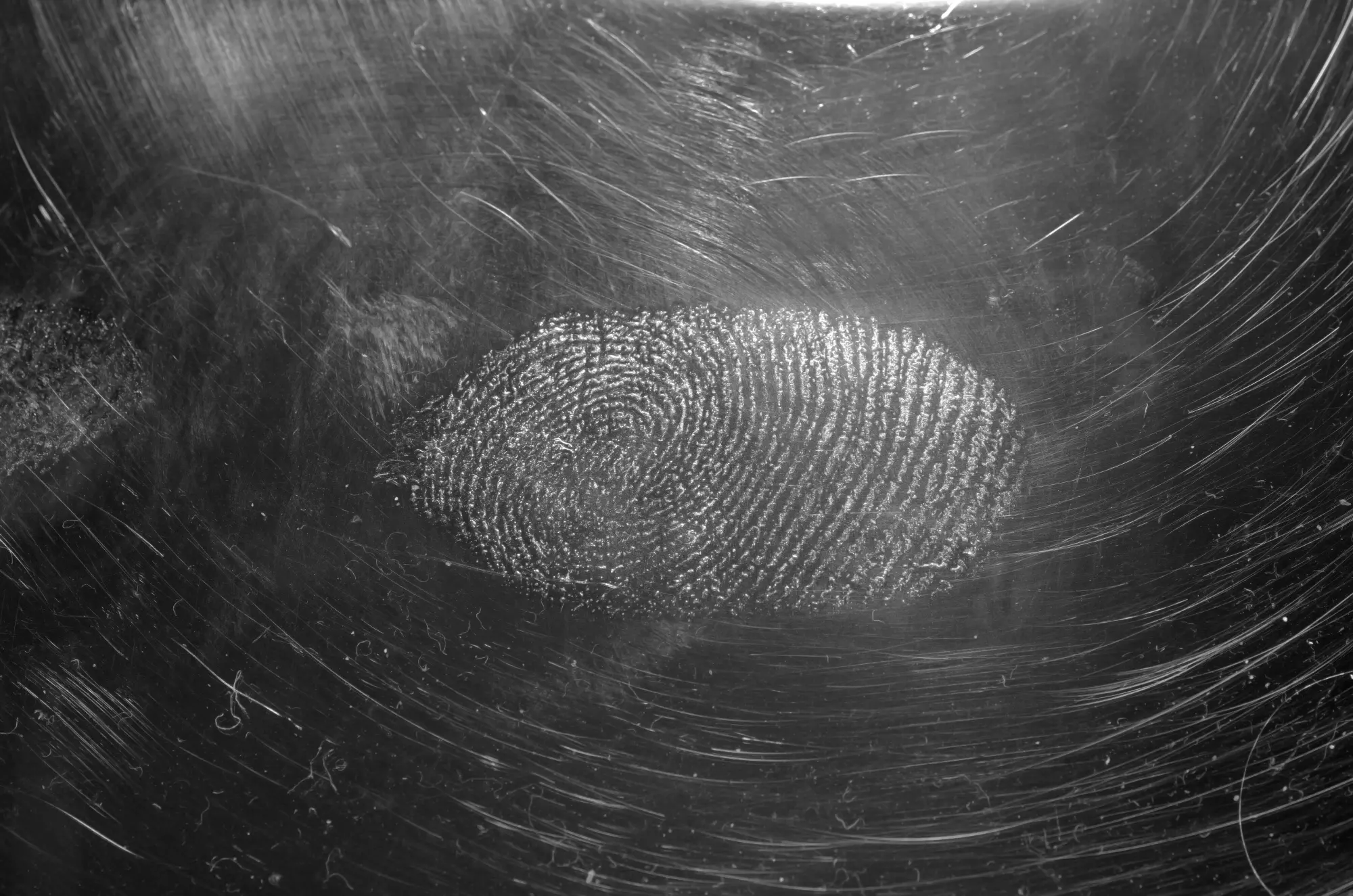
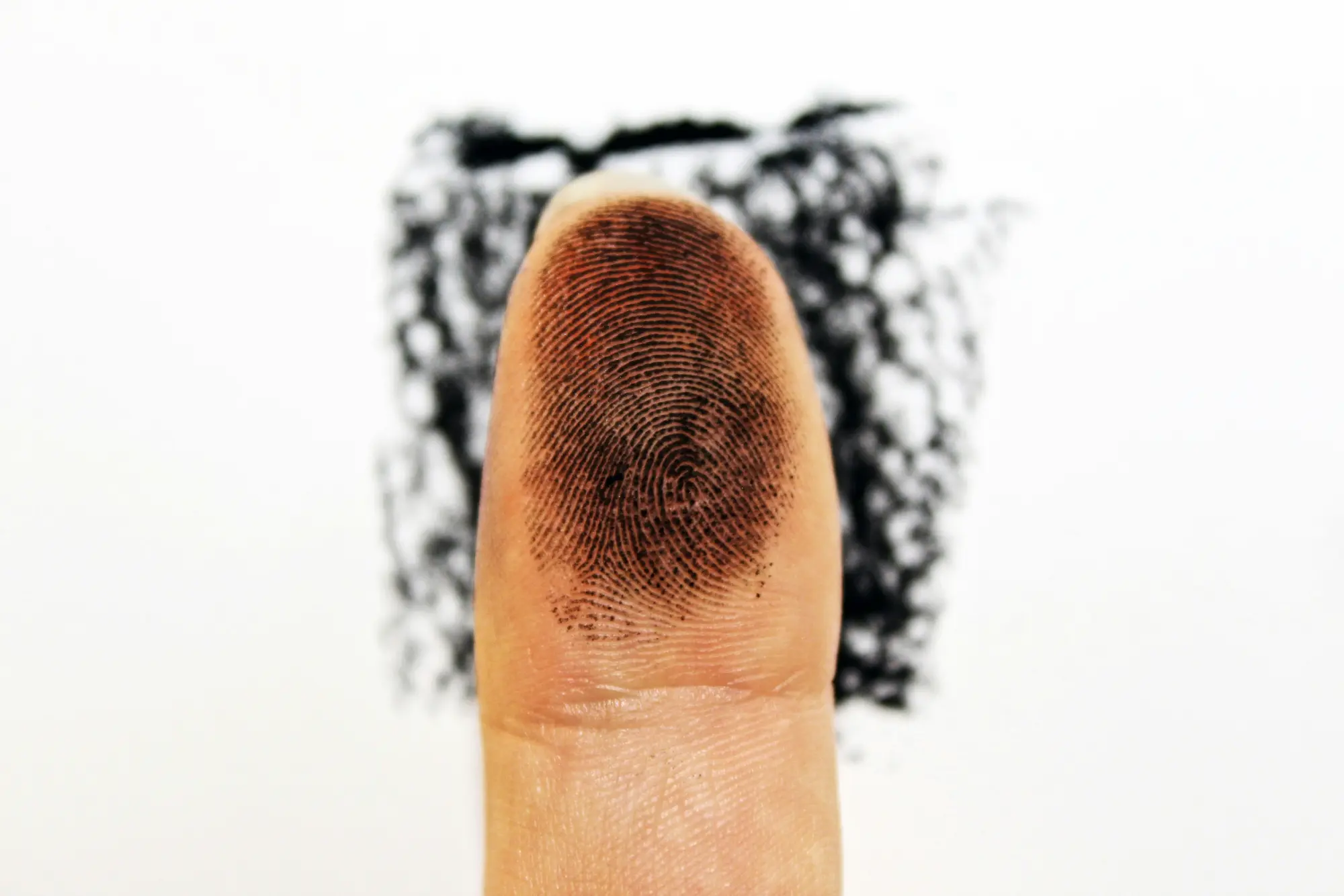
Fingerprint identification is known officially as dactyloscopy, which is the process of examining and comparing separate ridge skin impressions to determine whether they came from the same person. This process of identification relies on matching the patterns of certain characteristics of a print and carefully comparing them to the patterns on another print. There are a number of key details that fingerprint analysts look out for, including 'islands', 'dots', and 'ridge-endings.' Forensic technicians will usually go through a rigorous procedure of analysis, comparison, evaluation and verification to arrive at a conclusion. The process can become quite complex – check out sources like the Australian Federal Police website for more information. https://www.australianpolice.com.au/dactyloscopy/fingerprint-identification/
Human fingerprints are very useful pieces of forensic evidence for a number of reasons. Chief among these reasons is that, insofar as the forensic community is aware, every human fingerprint is unique and prints are durable over a person's entire life. They are also highly detailed and difficult to alter. This makes them excellent long-term identifiers for police, investigators and other authorities to utilise in their work.
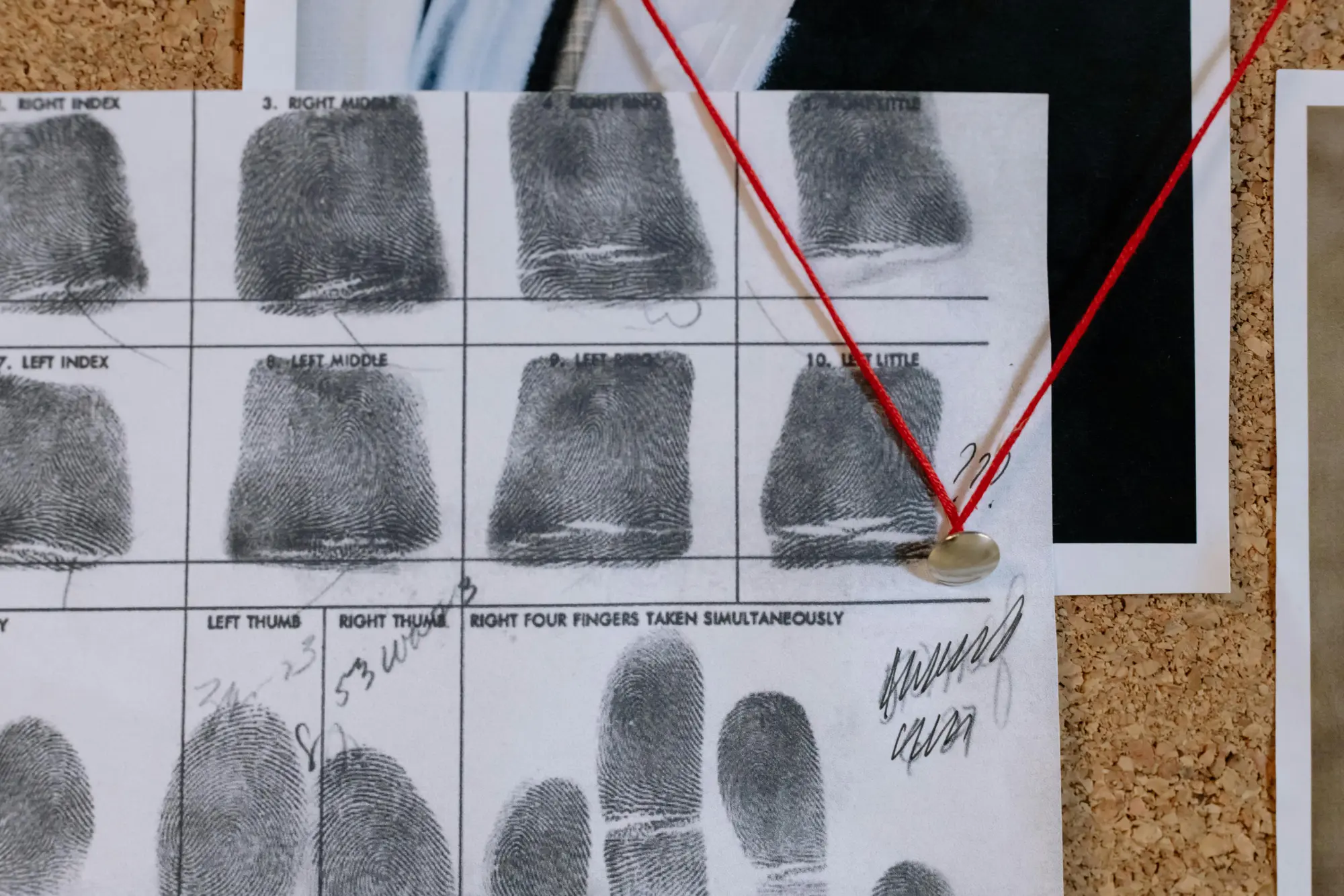
Fingerprint evidence is very common in Australian court cases; in 2016, more than 10,000 fingerprint matches were made in Victoria alone. Generally, police will take a person's fingerprint for identification and record-keeping purposes once they are taken into custody. Most agencies have an automated system which they then use to compare a fingerprint to all the samples that have been entered into the system. For this reason, it is common for repeat-offenders to be implicated in criminal activities by the fingerprint impressions they leave at the scene.